

Villa Sgariglia
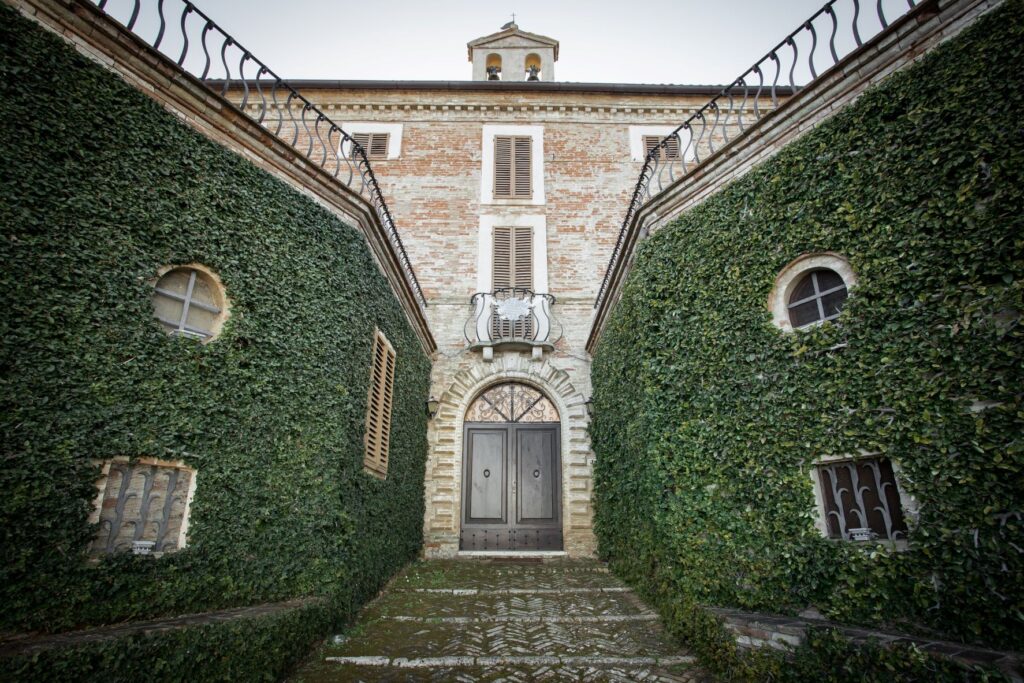
Nella parte collinare prospiciente Piazza Carducci è presente una delle ville storiche più belle di Grottammare, Villa Sgariglia, ancora oggi di proprietà privata ma aperta al pubblico su richiesta e in particolari occasioni. Edificata nella seconda metà del Settecento con successivi interventi ottocenteschi, la villa costituiva la dimora di campagna dei nobili Sgariglia e si […]
Orologi
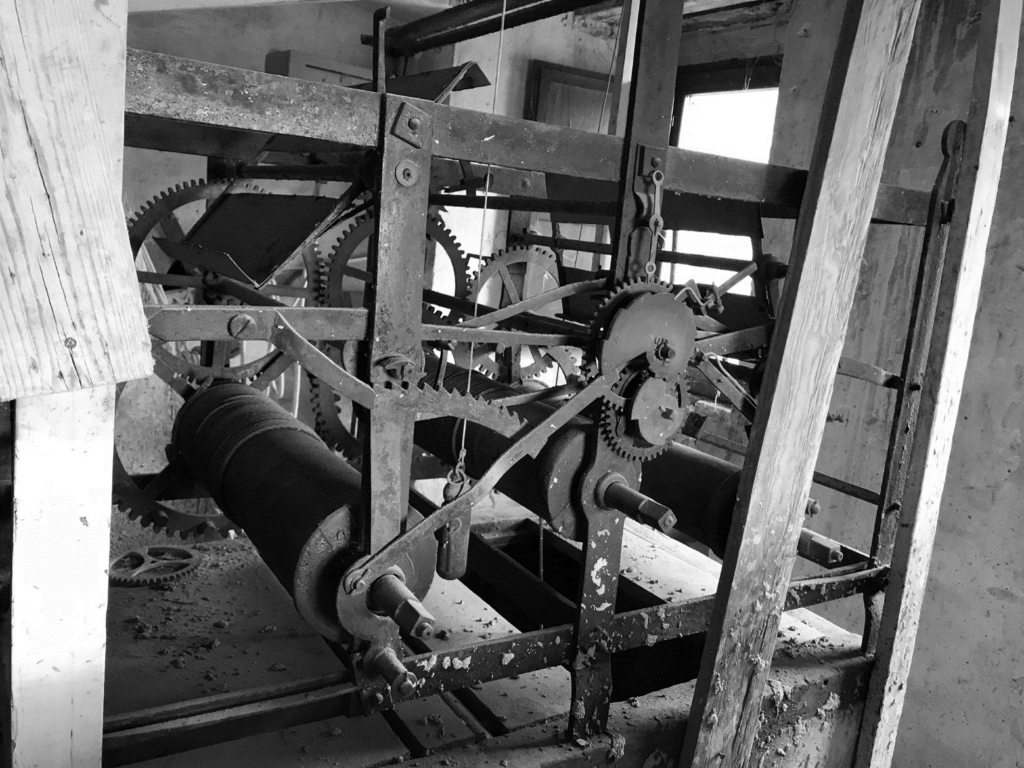
19th-century sundial displaying the ‘hora italica’ (reproduction) – Osteria dell’Arancio The old town centre of Grottammare features the classic medieval layout, in which the town’s most important buildings are arranged around the main square. This enclosed layout provides a secure defence whilst also fostering a sense of ‘community’ and ‘practicality’, with the square becoming the […]
Villino Matricardi
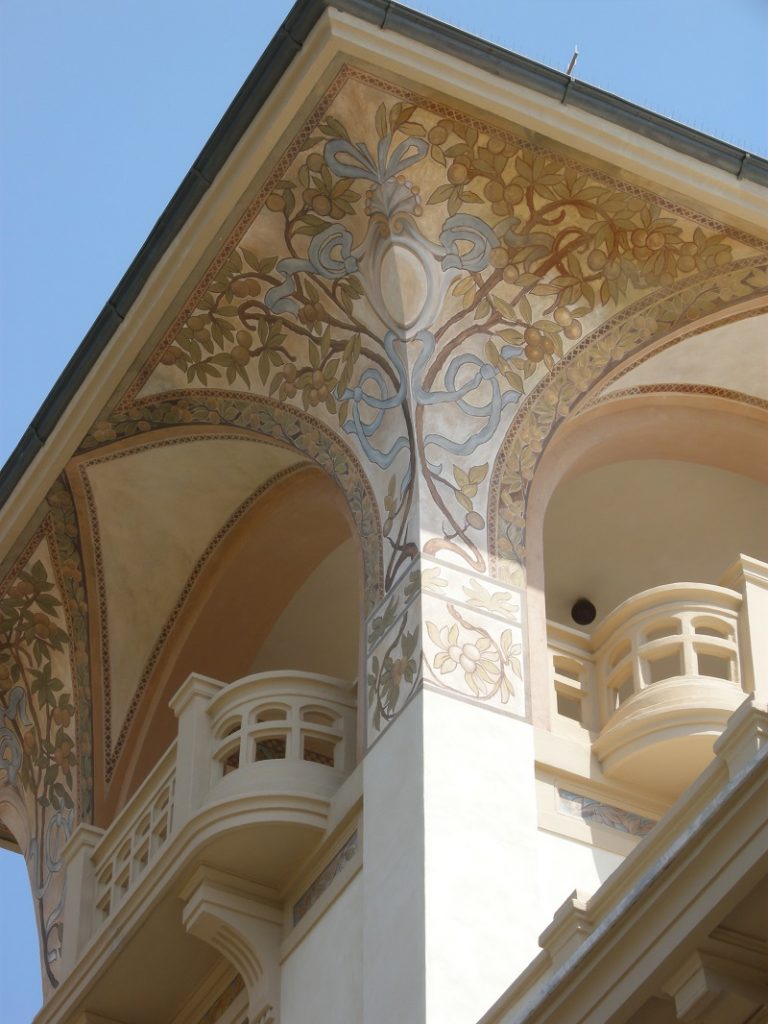
The opening of the Adriatic railway in 1863 was one of the key factors in Grottammare’s transformation into a renowned holiday resort during the Belle Époque. In 1873, the first seaside resort was built on the site that would later become Palazzo Kursaal in 1890, the first ‘promenade’, Viale Marino (now Viale Colombo), was built, […]
Teatro dell’Arancio
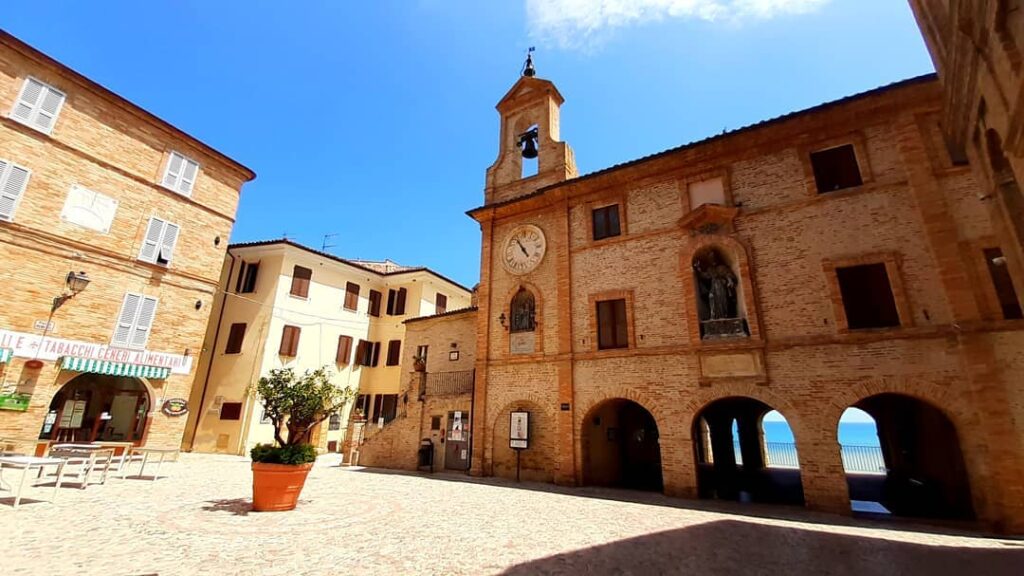
The task of building the theatre was entrusted to Pietro Maggi (1756–1817), a Ticino-born architect of the Neoclassical school who was very active in the Piceno region at the turn of the 18th and 19th centuries; he was also commissioned to restore the adjacent church and refurbish the square in front of it, Piazza Peretti. […]
Palazzo Kursaal
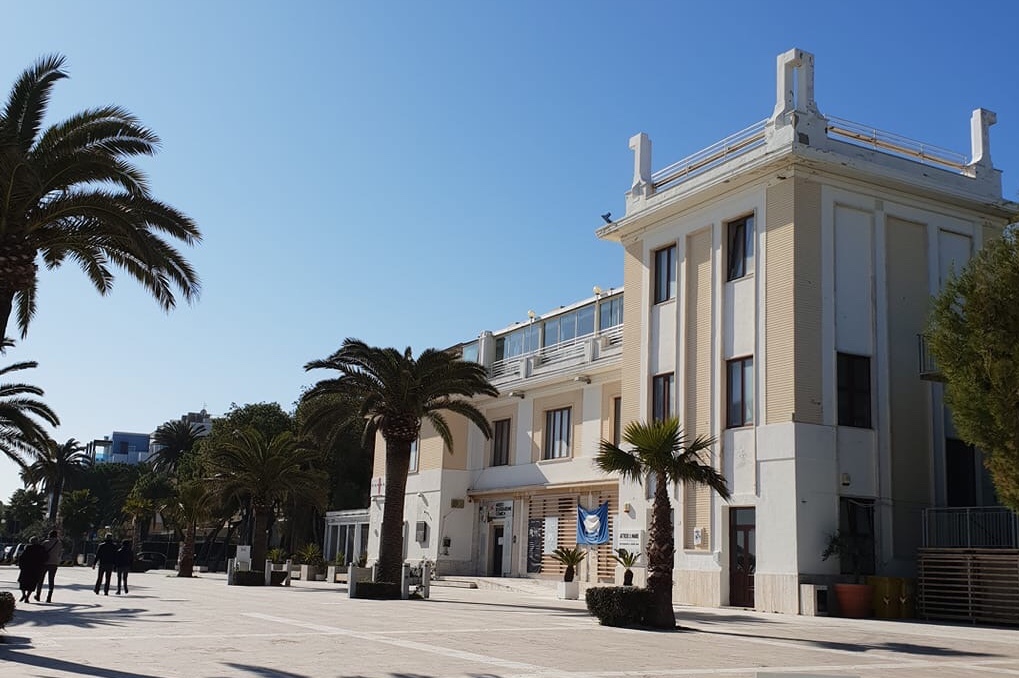
Built in 1870 as a place for recreation and refreshments close to the beach, the building became a seaside resort in 1873, consisting of a wooden structure and featuring a jetty extending out into the sea. It was the first building of its kind to appear in the town, created through a public initiative and […]
Palazzo comunale Ravenna
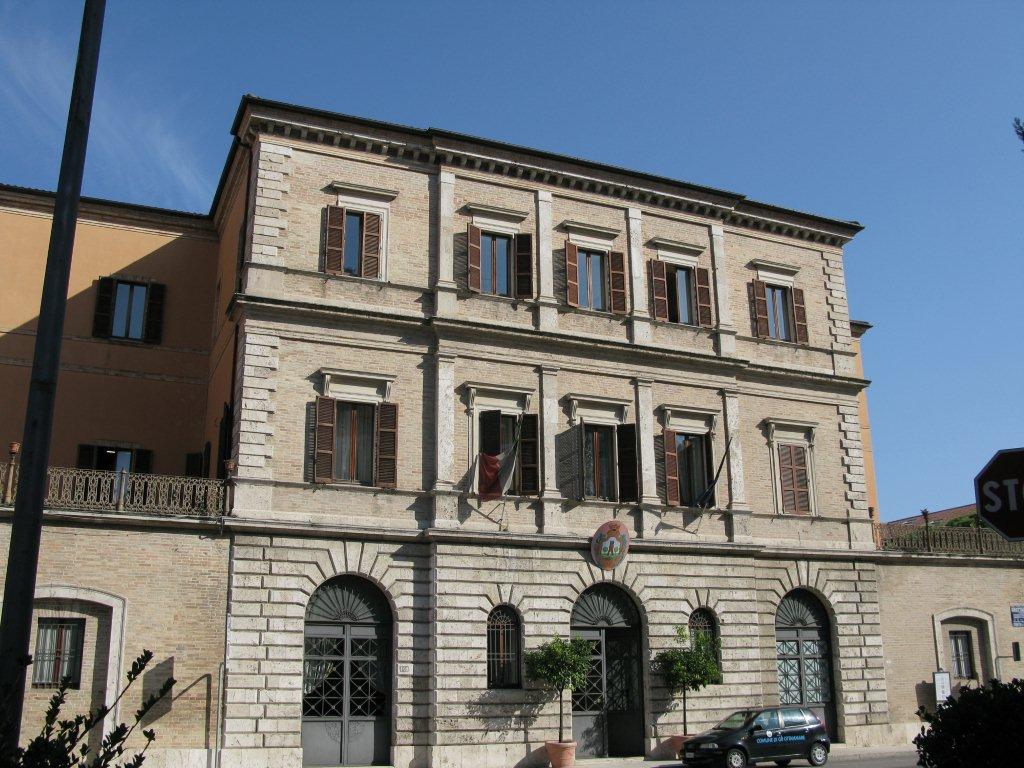
The Ravenna family moved to Grottammare in the early 18th century, probably from Savoy. Their business acumen, demonstrated over time in various fields of enterprise, enabled them to contribute significantly to the remarkable economic development that Grottammare experienced between the 18th and 19th centuries. As it had by then become clear that local urban expansion […]
Palazzo Fenili
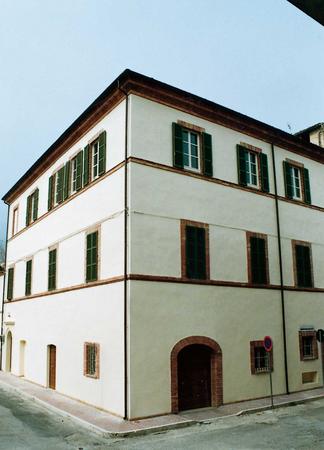
Nicola Fenili (1765–1829) moved from Rome to Grottammare following his appointment as administrative inspector of the local department of the Papal States. On the inspector’s own initiative, and later thanks to his son Carlo (1799–1874), the Fenili family became owners of some of the many factories that flourished in Grottammare during the 19th century (silk, […]
Palazzo Laureati
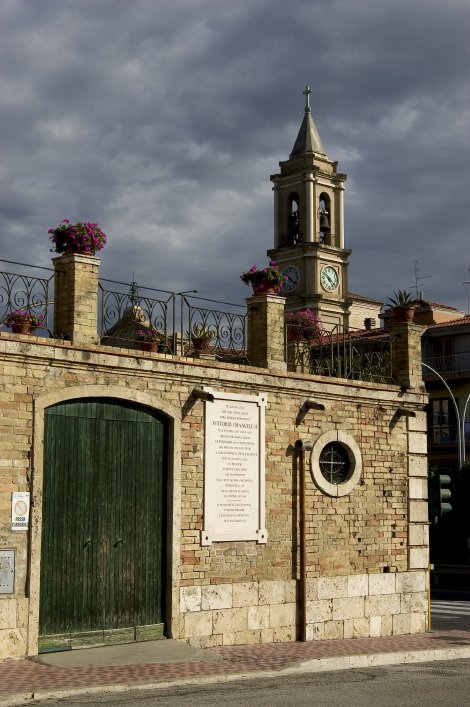
The present-day building is the result of the extension of a small villa built around 1786 by Bartolomeo Bacher, Bishop of Ripatransone, a keen agronomist who expanded orange cultivation in Grottammare. The extension was carried out by the Marquises of Laureati, an ancient family from the Marche region who purchased the property from the elderly […]
Villa Azzolino
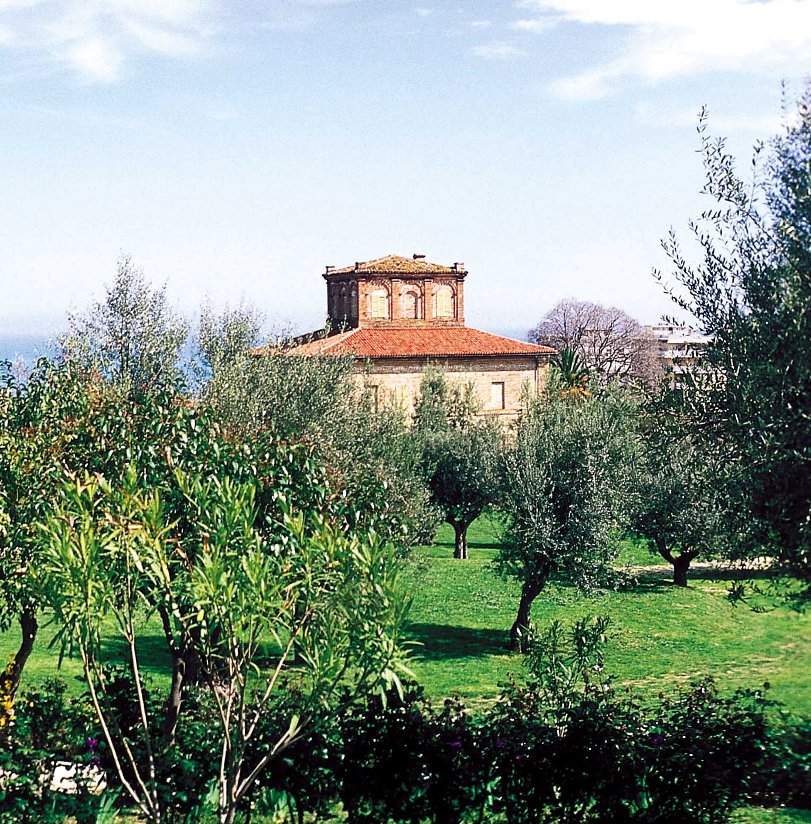
The building dates from around the mid-17th century, a period during which Decio Azzolino (1623–1689) was created a cardinal by Pope Innocent X. A man of many talents and a prominent figure in the Roman Curia, this prelate, originally from Fermo, is known for his close ties with Christina of Sweden, an unusual sovereign who […]
Torrione della Battaglia
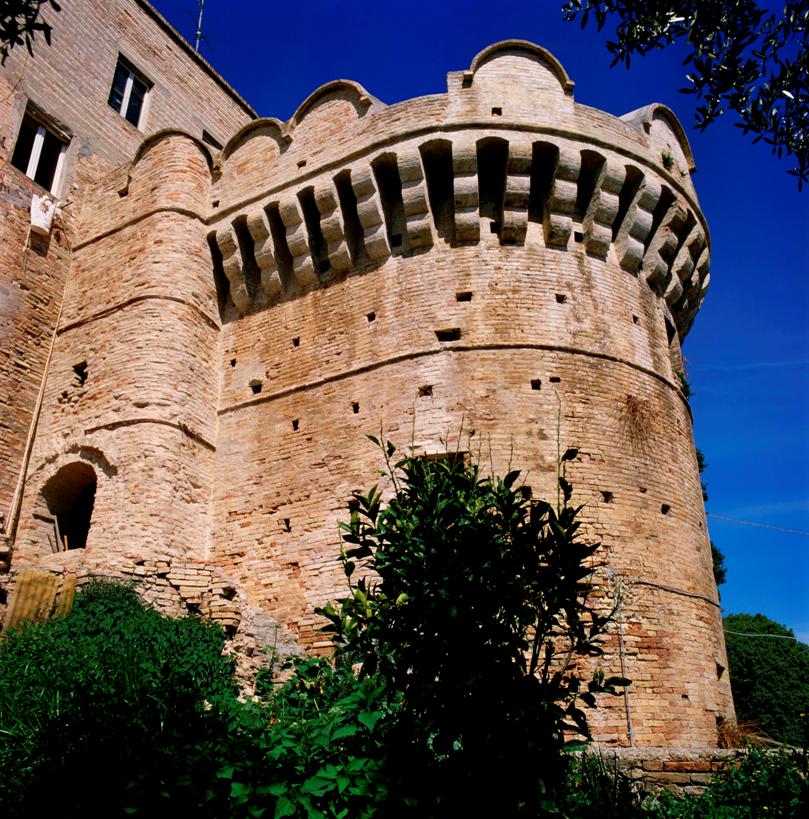
Accounts of the fortifications of the ancient village of Grottammare refer to an initial medieval wall, built in successive phases up to the 15th century to defend the castle and the fortress jutting out over the sea, and a more extensive and imposing series of bastions dating from the mid-16th century, including the Torrione della […]